
Gearbox repair services vary wildly in quality, and the differences are not always visible from the outside. A clean workshop, a friendly receptionist, and a row of certificates on the wall tell you something, but they do not tell you whether the technician behind the bay door has the skills, tooling, and integrity to do the job properly. For Singapore drivers facing a gearbox problem, knowing how to evaluate a workshop before committing is worth more than any discount.
The gearbox is one of the most complex and expensive systems in your vehicle. A botched repair can cost thousands in follow-up work and leave you stranded at the worst possible moment. Taking the time to assess a workshop properly is not being difficult. It is being sensible.
Start with Specialisation
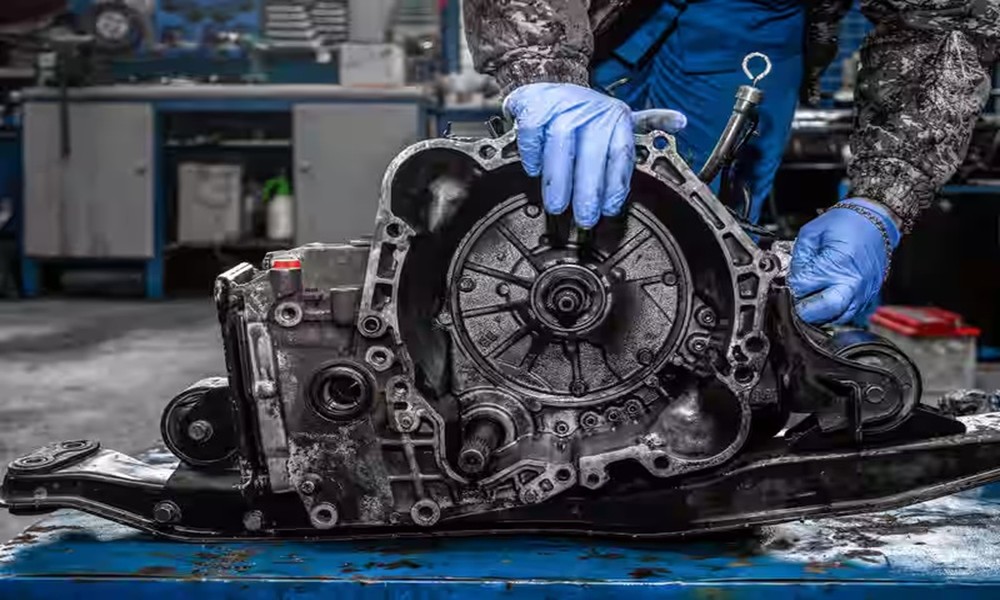
The first and most important question is whether the workshop specialises in gearbox and transmission work. General mechanics handle a broad range of vehicle systems, and many do excellent work. But gearbox repair is a discipline that demands specific knowledge, proprietary diagnostic equipment, and hands-on experience with the internal components of automatic, manual, and dual-clutch transmissions.
A workshop that lists gearbox repair as one of twenty services on its menu is unlikely to have the same depth of expertise as one that focuses primarily on transmission work. Specialist gearbox repair services invest in equipment and training that generalist workshops cannot justify economically.
Ask how many gearbox jobs the workshop handles per month. Ask which transmission types they work on most frequently. Ask whether their technicians have received brand-specific training. The answers will quickly reveal whether you are dealing with a specialist or a generalist who happens to accept gearbox work.
Check the Diagnostic Process
How a workshop diagnoses the problem tells you more about its competence than anything else. A reliable workshop follows a structured diagnostic process before recommending any repair.
- Customer interview. The technician asks detailed questions about symptoms, driving conditions, and vehicle history.
- Road test. The car is driven to replicate the reported symptoms under real conditions.
- Electronic scan. Diagnostic equipment reads fault codes and live data from the transmission control module.
- Fluid inspection. The condition, level, and smell of the transmission fluid are assessed for signs of contamination, overheating, or internal component wear.
- Physical inspection. External components such as mounts, linkages, and wiring are checked before any internal disassembly.
A workshop that skips straight to recommending a full overhaul without performing these steps is either lazy, greedy, or both. A proper diagnosis takes time. It is not an overhead cost. It is the foundation of an accurate and cost-effective repair.
Evaluate Transparency
Transparency separates trustworthy workshops from those that rely on customer ignorance to pad their margins.
- Written quotes. A professional workshop provides an itemised quote that breaks down parts, labour, and any additional costs. Verbal estimates are not acceptable for work of this complexity.
- Parts identification. The workshop should tell you exactly what brand and type of components will be installed, not just “new parts” or “quality components.”
- Progress updates. Once the gearbox is opened, the workshop should contact you with findings before proceeding. If additional work is needed beyond the original quote, you should be informed and asked to approve the additional cost.
- Old parts return. Offering to show or return your old components is a sign of integrity. It proves the parts were actually replaced and lets you verify the diagnosis.
As Lee Kuan Yew once said, “If you want to reach a standard, you must set a standard.” Hold your workshop to the standard of transparency you would expect from any professional service provider.
Ask About Warranty
The warranty a workshop offers on gearbox transmission repair work is a direct reflection of its confidence in the quality of its own workmanship and parts.
Duration.
A twelve-month warranty is standard for comprehensive gearbox work. Anything shorter raises questions about parts quality or repair thoroughness.
Coverage.
Does the warranty cover both parts and labour, or just parts? A parts-only warranty still leaves you paying for the labour if something fails.
Conditions.
Are there conditions that void the warranty, such as servicing the vehicle at another workshop or exceeding a mileage limit? Make sure the conditions are reasonable and clearly documented.
Transferability.
If you sell the vehicle, does the warranty transfer to the new owner? This can add resale value.
Read Reviews with a Critical Eye
Online reviews are useful but imperfect. A workshop with hundreds of five-star reviews is generally safer than one with few or poor reviews. But pay attention to what the reviews actually say.
- Reviews that mention specific technical work, clear communication, and honest pricing are more informative than generic praise.
- Negative reviews that describe poor communication, unexpected charges, or repeat failures are serious red flags, especially if the workshop does not respond professionally.
- A small number of negative reviews among many positive ones is normal. No workshop satisfies every customer. The pattern matters more than individual outliers.
Visit Before You Commit
If possible, visit the workshop in person before booking your vehicle in.
- Is the workspace organised and clean? A messy workshop often reflects messy work habits.
- Is the reception area professional? Do staff greet you and answer questions willingly?
- Can you see the work bays? Specialist gearbox workshops typically have dedicated transmission workbenches, fluid flush machines, and diagnostic stations visible on the floor.
Trust Your Judgement
Evaluating gearbox repair services is not about finding the cheapest option or the nearest workshop. It is about finding the one that combines technical skill with honest communication and accountability. When you hand over your keys for gearbox work, you are trusting someone with one of the most expensive components in your vehicle. Take the time to make sure that trust is earned.
